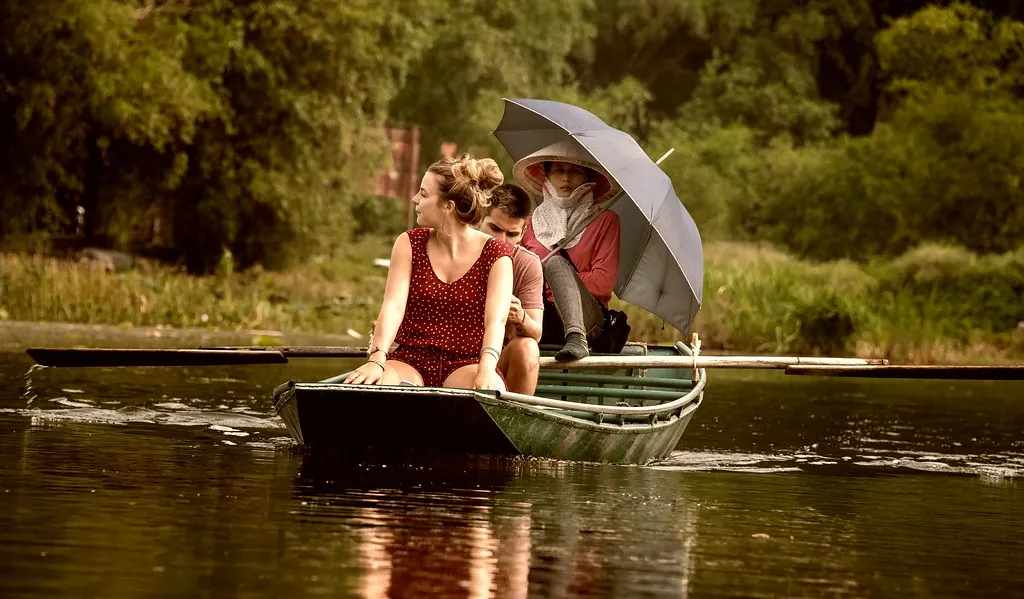
Give each day a different purpose: historical landscape first, a focused craft encounter second, and a chosen countryside or rice-culture activity third. That makes a three-day Ninh Binh visit more meaningful than repeating a generic attraction list. This plan assumes three usable days after arrival; if your three days include long transfers, drop a section rather than compress everything. The activities are suggestions to confirm, not a bundled tour or a promise that every workshop operates daily.
The cultural route checklist
Before booking, choose one question for each day: what shaped this historical landscape, how is this object made, and what can a hosted rural activity explain? Then identify the venue, the explanation available and how you will get there. Separate independent stops from activities that need a reservation. A beautiful viewpoint may still fit, but it should not crowd out the learning encounter that gives the day its purpose.
For a couple interested in history and making things, this structure leaves room for discussion and individual interests. For a parent traveling with a teen, involve the teenager in selecting the practical task instead of assuming any hands-on session will appeal. Ask about tools, language and assistance. An extra meal or rest period is more useful than a second reservation made only to fill an empty hour.
Day 1: history and the Trang An landscape
Use the morning for a historical focus such as Hoa Lu, with time to read interpretation or arrange a guide where useful. UNESCO places the ancient capital within the wider Trang An cultural and natural landscape. That context gives a boat outing a different meaning from simply passing through attractive scenery. Check current access, local rules and the chosen route rather than relying on old opening details.
After lunch, choose a suitable landscape visit if the timing and conditions allow. Do not add another boat route merely because it is nearby on a map. Religious and historical places may have dress, behavior or photography rules; follow the local guidance. Finish with enough time to return comfortably rather than fitting a long extra stop into the late afternoon. If the day already contains a transfer, choose either the heritage focus or the boat landscape.
Day 2: Tam Coc, Van Lam and a practical skill
Make the second day about the process behind an object. Read our Van Lam embroidery background and choose a workshop whose task and guidance interest you. A small beginner motif is a reasonable learning goal. Ask what is included, what you take home and whether the session can accommodate your language and dexterity needs. Vị & Thêu offers one artisan-guided option; this is our own journal, so treat that recommendation as a publisher connection rather than an independent ranking.
Leave the other half of the day for a meal, an independent cultural stop or simple wandering that respects private spaces. Ask before photographing an artisan or other learners. Buying a handmade piece is a separate decision from taking a class; you are free to value the lesson without shopping afterward. If you want to dine at Vị & Thêu, consult our dining page and confirm arrangements instead of assuming a meal is included in an unrelated workshop booking.
Day 3: choose rice culture or a hosted countryside activity
Tam Coc Museum describes experience options related to rice culture and food. Ask which are currently available and whether the session is a display, demonstration or something you do yourself. Agricultural participation can depend on season and operating arrangements. Do not promise yourself rice planting solely because you saw a photograph. A clear explanation of farming can still be worthwhile when a particular field activity is not available.
A family-hosted meal or a guided countryside experience is another possible emphasis. Dundj Valley describes rural experiences on its own website; confirm the selected product directly. Choose it because its actual content fits your curiosity, not to complete a partner list. A guided cave walk is a separate activity with different conditions, not an automatic substitute for a cultural visit or a guaranteed rainy-day fallback. Keep the third day focused on the experience you have verified.
Choose one hosted activity for this day: a rice-culture session or a farm-and-cooking visit in Dundj Valley. Compare how much time is spent doing rather than watching, and confirm seasonal tasks and food requirements. These are alternatives, not a package to stack together.
Book the Vietnamese rice-culture and farming experience on GetYourGuide
Book the Dundj Valley farm and wild-cooking experience on GetYourGuide
Some tour links in this article are affiliate links. If you book through GetYourGuide, the provider's booking terms apply.
Heat, rain and reservations
Place outdoor activity where current conditions support it, and keep a genuinely available indoor alternative. Ask a workshop about access and operation in severe weather rather than assuming indoor means unaffected. With family groups, choose fewer fixed commitments and confirm whether a shorter project is possible. Do not move an unsafe or closed outdoor activity to another hour and call it resolved. Recheck the plan with the relevant operator.
For each reservation, record the exact meeting place, supported language, task, inclusions and cancellation terms. Keep paid bookings visibly separate from independent attraction advice. Use the wider hands-on culture guide for onward ideas and the coast-to-Tam-Coc culture guide if you are arriving from Hai Phong or Ha Long. Adjust the days to your actual arrival rather than treating this sequence as a purchased package.
Plan the next step
Sources & Further Reading
Sources checked 19 October 2026. Suggested day plans are editorial examples; confirm current access, reservations and transport directly.
Photo Credits
- Rod Waddington — Tam Coc (in explore) · CC BY-SA 2.0. Resized and converted to WebP; responsive display may crop. Image derivatives retain the stated license.
