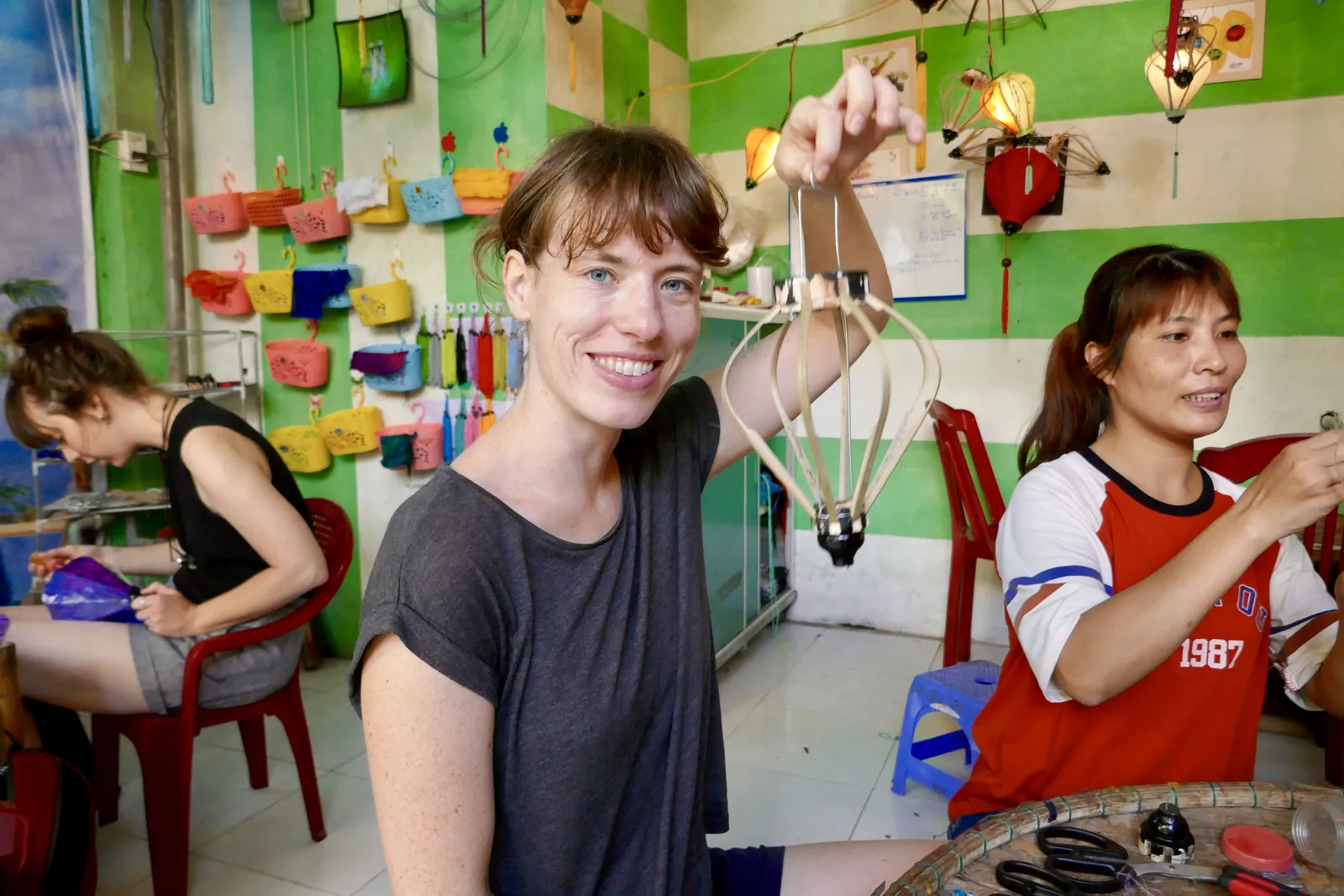
A rewarding culture-led trip mixes doing, watching and understanding. You might learn a small embroidery motif in Tam Coc, investigate a lantern class in Hoi An, explore a museum in Hanoi and give Hue's historical setting unhurried attention. These experiences teach different things. Choose by your curiosity, route and available time rather than trying to rank one region as more authentic. A workshop is worthwhile when the learning process interests you, even if the first finished piece is imperfect.
Three formats, three different expectations
Use this selector: a hands-on class for learning a process; a performance or demonstration for observing practiced skill; a self-guided heritage visit for moving at your own pace. None is inherently a better cultural encounter. A demonstration is not a failed workshop if it is described honestly, and a museum need not include making a souvenir to be valuable. Match the advertised format to what you actually want to spend time doing.
Before reserving, distinguish participation from observation. Ask what you handle, what is prepared in advance and how much instruction is available. If explanation matters, check language support rather than assuming an English booking page means an English-speaking teacher. If the process matters more than the object, say so. A smaller project with a thoughtful explanation can be more rewarding than an impressive object mostly completed by someone else.
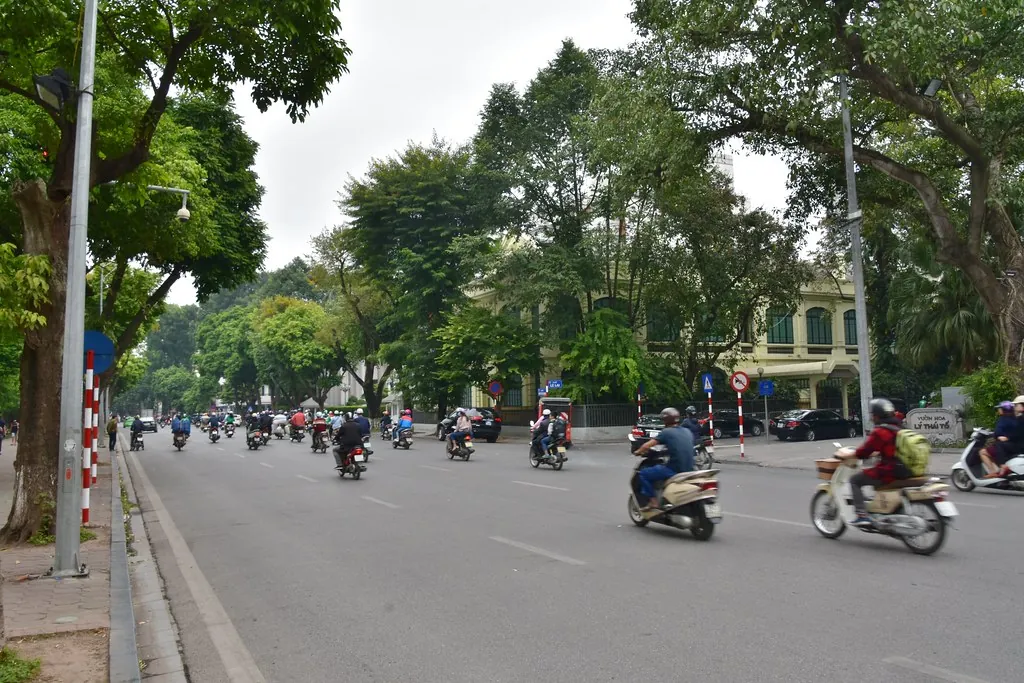
Hanoi: start with context and a focused interest
A Hanoi culture day can combine an institution or historical setting with a food-focused walk or another small activity. Choose one theme and investigate it properly rather than collecting unrelated museum entrances. Food exploration can be observational or hands-on; ask what a class actually teaches and whether dietary requirements can be met. Do not assume a market visit, cooking session and tasting menu are the same product simply because all appear under food experiences.
For a museum-minded first visit, use the city chapter to build context before the countryside. Read the institution's own visitor information for opening days, ticket conditions and current displays. Keep the afternoon adaptable so a good conversation or exhibition does not become an inconvenience to your timetable. A guided introduction may help, but a guide should be chosen for the explanation you need rather than as an automatic requirement for every stop.
Ninh Binh: craft, rice culture and a slower meal
Around Tam Coc, a boat landscape and a craft activity can complement one another without becoming one crowded checklist. The Van Lam embroidery context offers a reason to look closely at practiced hand movements and the time behind a handmade object. Our existing local craft guide explains that background. For rice culture or cooking, Tam Coc Museum describes experience options on its own site; confirm what is currently offered instead of assuming every displayed activity runs every day.
If you have two hours to spare, one focused craft session may be more sensible than a distant excursion with uncertain return time. Vị & Thêu publishes this journal and offers an artisan-guided embroidery experience; check the workshop page and enquire before arrival. It is one option, not a neutral ranking of local providers. A meal with a host or a cooking class can offer a different type of learning, but ask about dietary needs, assistance and what you actually prepare.
If shared food preparation interests you more than another craft session, cooking with a local family in Dundj Valley is an optional countryside choice. Ask what you will prepare yourself and discuss dietary needs before booking.
Book cooking with a local family in Dundj Valley on GetYourGuide
Some tour links in this article are affiliate links. If you book through GetYourGuide, the provider's booking terms apply.
Hue: understand the setting before adding a class
Hue's heritage can form a cultural chapter in its own right. UNESCO's account of the monuments gives historical context, while the current site or institution must supply visitor arrangements. Do not turn a history-led day into a race between distant sites followed by a rushed workshop. If you want a particular craft or cooking activity, investigate a named current provider and ask what is taught. This guide does not promise an unverified Hue class, teacher, price or opening time.
A useful rhythm is one substantial heritage visit, a meal with time to discuss what you saw and an optional second interest. That can be more memorable than fitting an activity into every hour. Travelers connecting from the north should give arrival its own space; an overnight journey does not guarantee you will be ready for concentrated learning. Move the class or leave it out if the transport plan makes attendance fragile.

Hoi An and the Da Nang leg: choose what you make
Hoi An is a natural place to investigate lantern making if it is already on your route. Reaching Out, for example, describes a folding-lantern class on its own workshop page. That illustrates one format, not a standard shared by every studio. Ask whether you assemble, decorate or work with prepared elements, and whether the finished item can be packed safely. Compare needlework and lantern construction in our dedicated workshop decision guide rather than treating both as identical rainy-day entertainment.
If you stay in Da Nang, include the full journey to and from the selected venue when arranging a Hoi An class. An advertised class duration is only part of the outing. Confirm the address, transport and last useful return before paying. A cultural experience does not become better because it requires more travel; choose a manageable location and enough time to enjoy the learning rather than rushing to an onward connection.
A twelve-day culture-led route, with room to choose
An illustrative twelve-day allocation is days one to three in Hanoi, four to six around Ninh Binh, seven to nine in Hue and ten to twelve around Hoi An or Da Nang, if your verified transport and exit arrangements support it. Some of those days contain substantial travel. This is a route structure, not twelve full sightseeing days. Pick one principal learning encounter in each chapter and leave other periods for context, meals and wandering. If transport consumes too much, cut a chapter rather than compress every class.
Ask six questions and participate respectfully
Before booking, establish the actual task, language, group size, assistance, finished item and complete cancellation terms. Ask about relevant tools and age guidance for children. During the visit, respect private spaces and request permission before photographing people. Do not expect a teacher to represent an entire culture or disclose personal stories for your social feed. Pay agreed fees clearly, credit what you learned and allow an ordinary beginner result to be part of the experience.
Plan the next step
- Hanoi or Ninh Binh for Cultural Experiences? Choose by What You Want to Learn
- A Culture-Focused 3-Day Ninh Binh Itinerary: Heritage, Craft and Countryside
- Ninh Binh Embroidery or Hoi An Lantern Making: Which Workshop Is Right for You?
- From Hai Phong or Ha Long to Tam Coc: A 2-Day Food and Culture Detour
- Van Lam embroidery background
- Explore the embroidery workshop
Sources & Further Reading
Sources checked 19 October 2026. Suggested day plans are editorial examples; confirm current access, reservations and transport directly.
Photo Credits
- Isabell Schulz — Making lanterns in Hoi An · CC BY-SA 2.0. Resized and converted to WebP; responsive display may crop. Image derivatives retain the stated license.
- Richard Mortel — Hanoi street scene (3) · CC BY 2.0. Resized and converted to WebP; responsive display may crop. Image derivatives retain the stated license.
- Rod Waddington — Tam Coc (in explore) · CC BY-SA 2.0. Resized and converted to WebP; responsive display may crop. Image derivatives retain the stated license.


